The Monaco Grand Prix isn’t just a race. It’s a 200-million-dollar party on wheels, where billionaires sip champagne in private yachts while F1 cars scream past their balconies at 200 mph. This isn’t motorsport as you know it. It’s high-stakes elegance, precision-engineered spectacle, and exclusivity wrapped in a 3.3-kilometer street circuit that hasn’t changed much since 1929.
The Track That Built a Legend
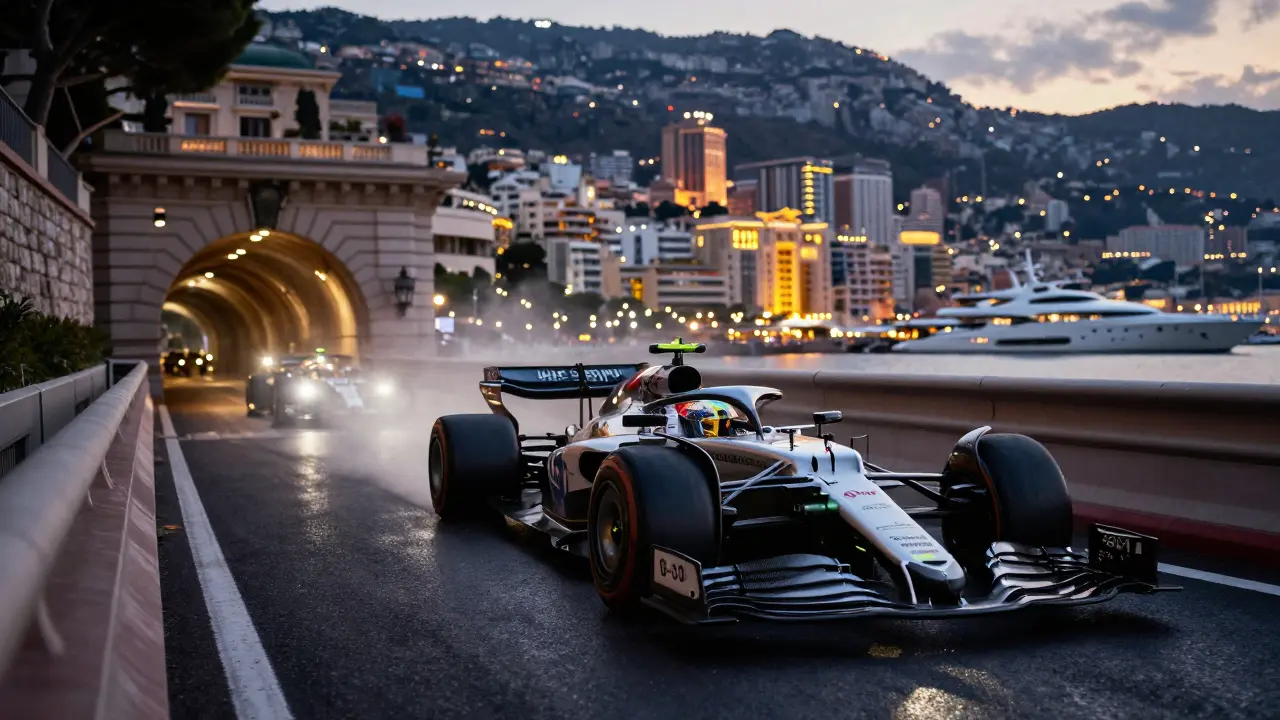
The Circuit de Monaco is the only F1 track that runs through the real streets of a city. No grandstands here-just narrow alleyways, tight hairpins, and the famous Tunnel, where drivers go from blinding daylight into near-total darkness at 220 km/h. There’s no runoff. No safety nets. One mistake, and you’re in the harbor or through a hotel window. That’s why only 12 of the 20 cars finish this race on average. The rest? They’re either too slow, too reckless, or just plain unlucky.
Drivers call it the ultimate test. Sebastian Vettel once said, "Winning Monaco isn’t about speed. It’s about patience, nerve, and knowing exactly where to brake.” The slowest corner, Sainte-Dévote, is taken at just 60 km/h. The fastest, the tunnel exit, hits 300 km/h. That’s a 240 km/h difference in under 10 seconds. No other track demands that kind of control.
The Luxury That Surrounds the Race
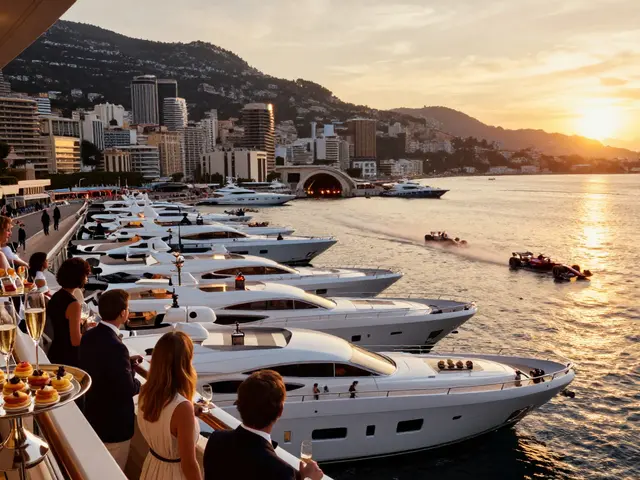
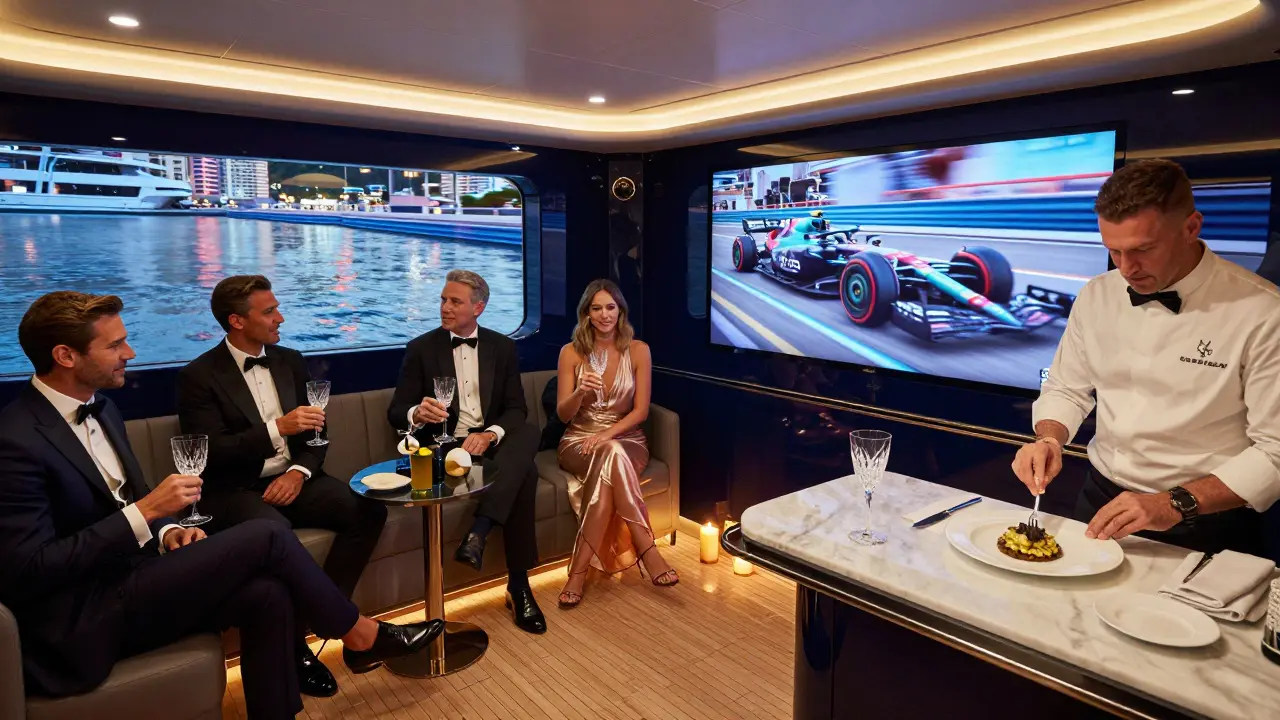
While the cars race, the real show happens on the water. Over 150 private yachts line the harbor, each worth anywhere from $20 million to $300 million. Some have helipads. Others have pools, cinemas, and Michelin-starred chefs on call. The most exclusive ones belong to Russian oligarchs, Middle Eastern royalty, and tech billionaires who pay $1.2 million for a single weekend berth.
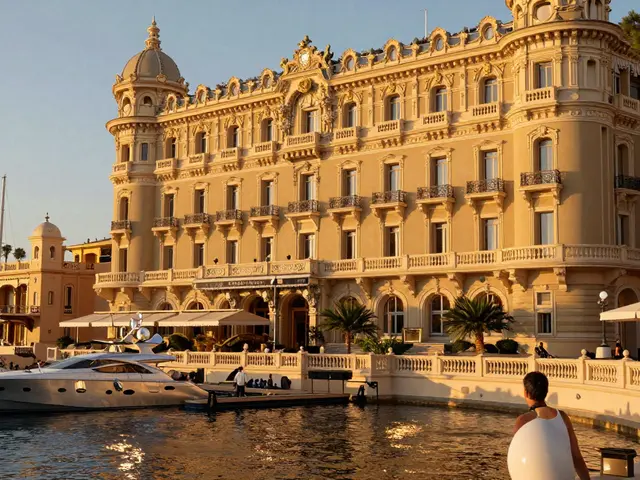
On land, the Prince’s Palace turns into a VIP zone. The Royal Family hosts guests in the Throne Room, where champagne flows from Dom Pérignon and Cristal. Tickets to the Royal Box cost $15,000 per person. The paddock club? $45,000 for three days. You’re not just watching the race-you’re inside the cockpit of the world’s most expensive social event.
There are no ticket queues. No plastic cups. No loudspeakers blaring pop music. Instead, guests sip rare cognacs from crystal glasses, eat truffle risotto plated by chefs from L’Ambroisie, and watch the race on 8K screens mounted in private lounges. The average guest spends $8,000 on just the weekend’s accessories: tailored suits, custom watches, and limited-edition F1 memorabilia.
The Cars: Engineering Meets Elegance
The Formula 1 cars racing in Monaco are the most refined machines on earth. Each one costs $15 million to build. The aerodynamics are tuned to the millimeter-downforce is maximized for grip in slow corners, while drag is minimized for the long straight after the tunnel. The engine, a 1.6-liter V6 hybrid, produces 1,050 horsepower but weighs just 150 kilograms. That’s more power than a Ferrari 488, in half the weight.
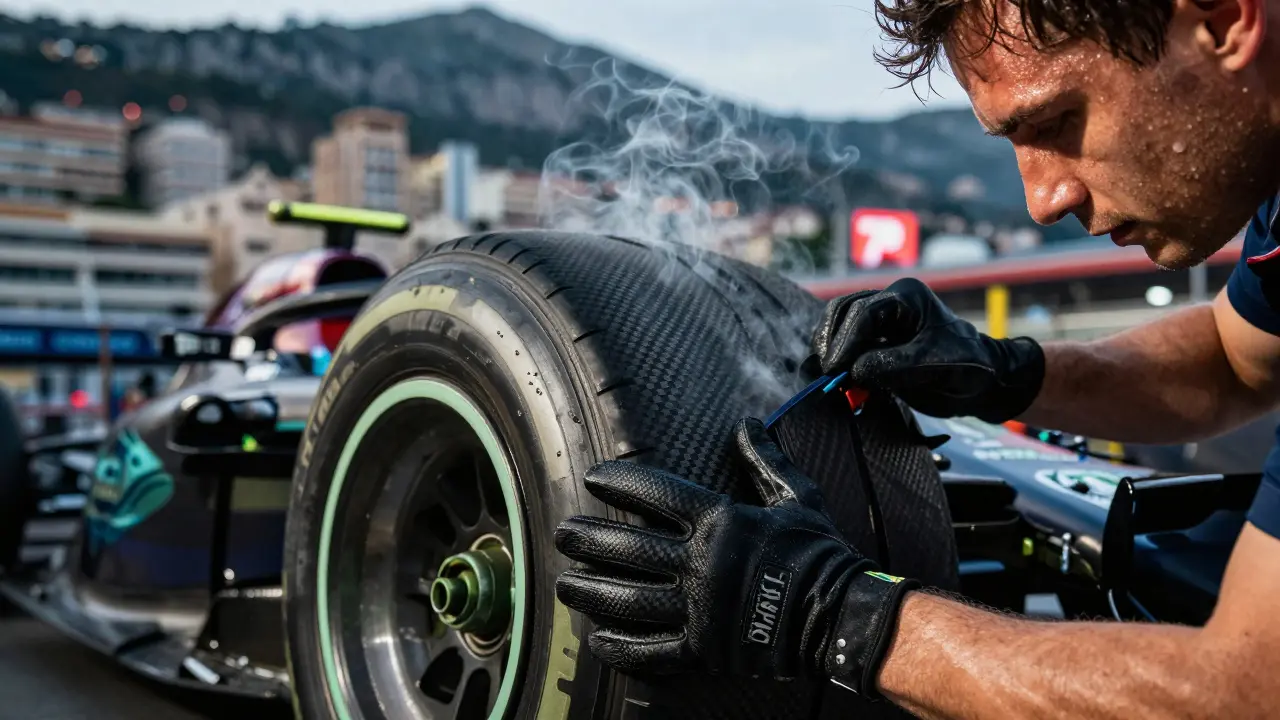
But it’s not just the car. It’s the team behind it. Each team brings over 100 staff members to Monaco. Engineers, strategists, tire technicians, and data analysts work in climate-controlled trailers parked under the cliffs of Monte Carlo. They monitor every tire temperature, every brake pressure, every fuel mix in real time. A single pit stop here lasts 2.1 seconds. That’s faster than most people can blink.
Mercedes, Red Bull, and Ferrari don’t just compete for the win-they compete for the prestige. Winning Monaco means your brand is etched into the history of luxury motorsport. It’s not just a trophy. It’s a symbol that you belong in the same league as Rolls-Royce, Patek Philippe, and Louis Vuitton.
The People Who Make It Happen
Behind every grand prix is a hidden world of elite service providers. Monaco’s most exclusive concierge firms book private jets, arrange helicopter transfers from Nice, and secure last-minute reservations at Le Louis XV-Alain Ducasse-where a single meal can cost $1,200 per person.
There are security teams from Switzerland who specialize in protecting high-net-worth individuals during public events. There are fashion stylists who fly in from Paris to dress guests for the Yacht Club’s gala. There are jewelers who bring rare watches to display-Patek Philippe, Jaeger-LeCoultre, and Richard Mille-all of which release special Monaco editions every year.
Even the staff at the circuit are handpicked. The waiters serving caviar at the Formula 1 paddock have worked at five-star hotels in Geneva or Dubai. The bartenders mix cocktails using botanicals sourced from the French Riviera. Every detail is curated. No one here is just doing a job-they’re performing a ritual.
Why Monaco Stands Alone
Spa-Francorchamps has hills. Silverstone has speed. Monza has history. But only Monaco has the combination of danger, glamour, and history that turns a race into a lifestyle. You won’t find this anywhere else-not in Singapore, not in Abu Dhabi, not even in Miami.
It’s the only race where the winner is crowned on the steps of the Casino, surrounded by the Mediterranean, with the lights of Monte Carlo glittering behind them. It’s the only race where the podium ceremony includes a live orchestra playing the Monegasque national anthem. Where the trophy is made of solid silver, engraved by hand, and presented in a velvet box lined with silk.
Even the rain here feels different. It’s not just weather-it’s atmosphere. When it drizzles during qualifying, the track turns into a mirror. The cars slide like ice skaters, and the crowd holds its breath. That’s when legends are made. Michael Schumacher won here seven times. Ayrton Senna won six. Lewis Hamilton has five. Each of them says the same thing: Monaco is the race you never forget.
The Afterparty: Where the Real Luxury Begins
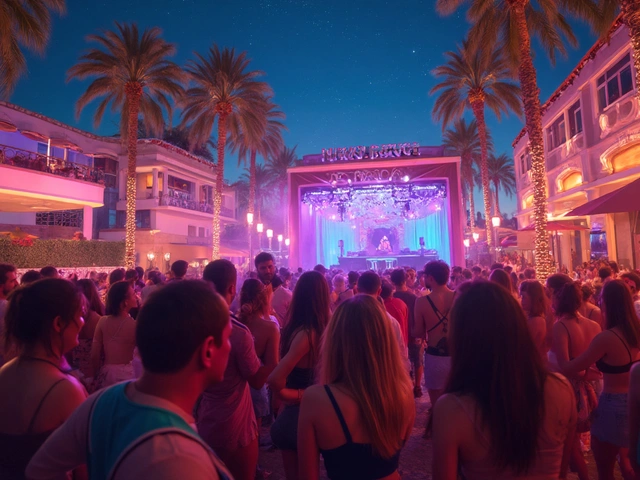
After the checkered flag, the real party starts. The F1 paddock closes at midnight. But the yachts? They’re just getting started. The most famous afterparty is hosted by the Red Bull team on their 70-meter superyacht, the Red Bull One. It’s a floating nightclub with a DJ from Ibiza, a live jazz band, and a bar stocked with rare whiskies and vintage champagne.
Other parties are even more exclusive. One billionaire invites only 12 guests to his private island off the coast of Monaco. Dinner is served under a canopy of stars, with a single violinist playing Debussy. No phones. No cameras. Just conversation, wine, and the distant hum of the harbor.
This isn’t about showing off. It’s about belonging. The people who come to Monaco don’t need to prove they’re rich. They already are. What they’re here for is to be among others who understand the quiet power of perfection.
What You’ll Never See
Most people think the Monaco Grand Prix is about speed. But the real story is in the silence. The silence of a driver holding his breath before the tunnel. The silence of a billionaire watching his son’s first F1 race from a yacht deck. The silence of a mechanic wiping sweat from his brow after a flawless pit stop.
It’s in the way the sun hits the water at 6:47 a.m. on Sunday, just before the cars roll out. It’s in the way the crowd doesn’t cheer when the lights go green-they just hold their breath. Because they know: this is the one race where beauty and danger are inseparable.
How much does it cost to attend the Monaco Grand Prix?
Attending the Monaco Grand Prix isn’t cheap. A general admission ticket starts at $250 for a single day, but it only gets you a spot on the hillside overlooking the harbor. For a proper view, you’ll need a Grandstand ticket-$1,200 to $2,500. The Paddock Club, with private seating, gourmet food, and direct access to the teams, costs $45,000 for the full weekend. Private yacht berths start at $1.2 million.
Can you watch the Monaco Grand Prix for free?
Yes, but not well. You can stand along the public sidewalks near the Casino Square or the Port Hercule, but you’ll be 200 meters away from the track. The view is blocked by crowds and barriers. The real experience-the sound of the engines, the smell of the tires, the adrenaline-comes from being close. Free viewing is for tourists. The real fans pay for access.
Why is Monaco the most prestigious F1 race?
Because it’s the only race that combines danger, history, and luxury in one package. It’s been on the calendar since 1929. It’s the only street circuit still used in F1. Winning here means you’ve conquered the most unforgiving track on earth-while the world’s richest people watch from yachts. No other race has that kind of legacy, or that much glamour.
Do F1 drivers really enjoy racing in Monaco?
They love it-and they fear it. Drivers say Monaco is the hardest race to win because there’s no room for error. One mistake, and your season is ruined. But they also say it’s the most rewarding. Winning here means you’ve proven you can handle pressure, precision, and perfection. Every driver wants a Monaco win. Even if they don’t say it out loud.
What makes the Monaco Grand Prix different from other F1 races?
Three things: the track, the crowd, and the cost. The track is narrow, twisty, and unforgiving. The crowd is the wealthiest in motorsport. And the cost to attend is higher than any other race on the calendar. You’re not just watching a race-you’re stepping into a world where money, skill, and tradition collide.
Final Thoughts: More Than a Race
The Monaco Grand Prix isn’t about who crosses the finish line first. It’s about who understands the silence between the gears. Who knows that true luxury isn’t in the price tag-it’s in the precision, the patience, the perfection.
If you’ve ever wondered what the pinnacle of motorsport looks like, you’ve seen it here. Not on TV. Not in a magazine. But on the streets of Monte Carlo, where every corner has a story, every engine note has a history, and every win feels like a whisper in the wind.