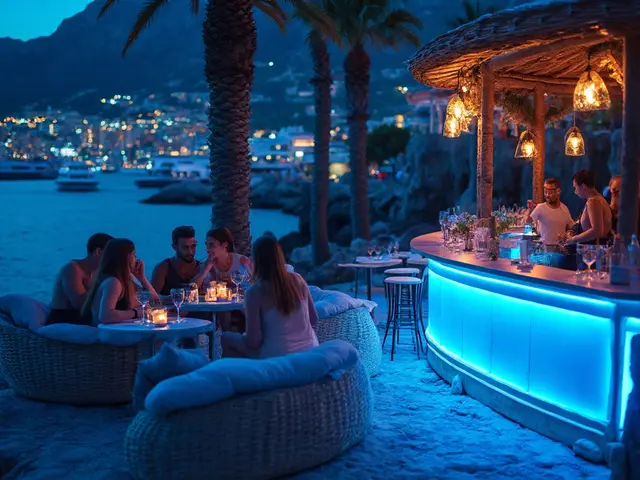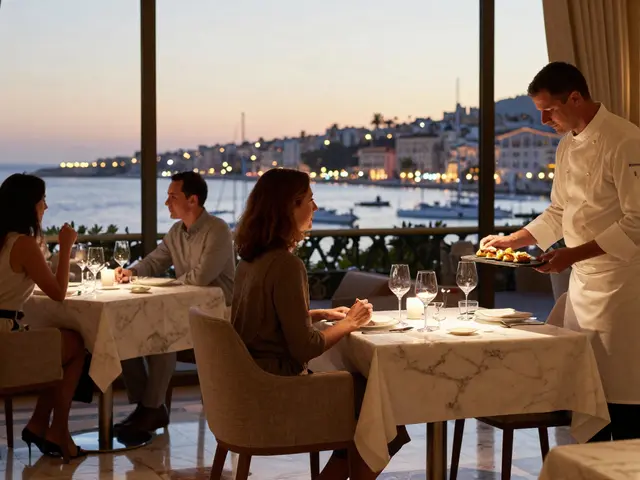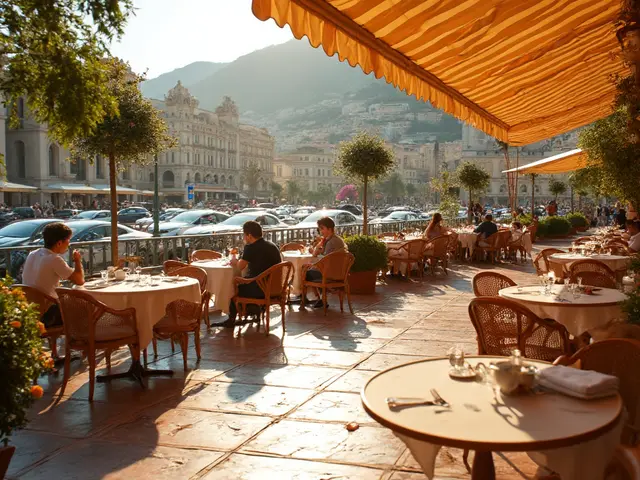
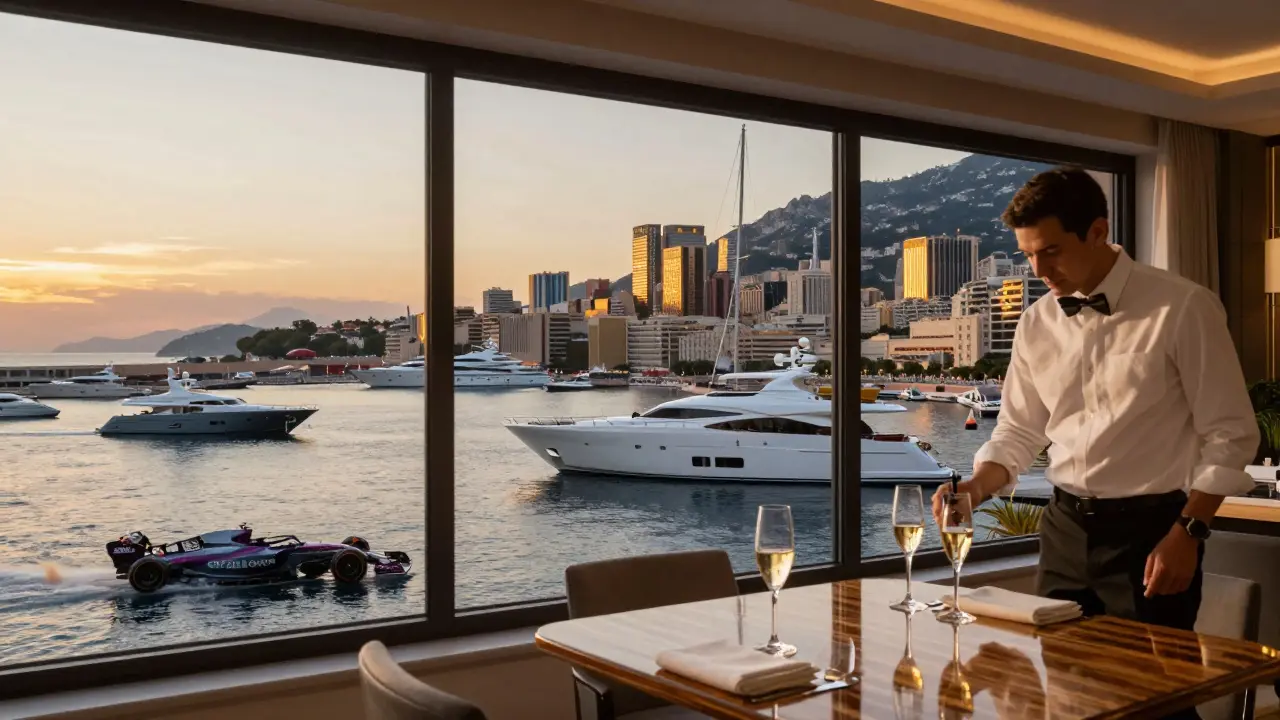
The Monaco Grand Prix isn’t just a race. It’s a 24/7 spectacle where luxury isn’t an add-on-it’s the foundation. Every corner of Monte Carlo transforms into a stage for the world’s most exclusive audience. You won’t find general admission tickets here. You’ll find private yachts docked along the harbor, VIP suites with floor-to-ceiling views of Tabac, and champagne flows that rival the race pace itself.
How the Monaco Grand Prix Became the Pinnacle of Luxury
The first Monaco Grand Prix was held in 1929. Back then, it was a bold experiment: a street circuit carved through the narrow alleys of a principality with no real racing tradition. But what made it stick wasn’t the speed-it was the spectacle. The rich, the famous, and the powerful showed up not just to watch, but to be seen. By the 1950s, it was the only race where a Ferrari owner might sit next to a Hollywood star in the same box.
Today, the circuit remains unchanged in its essence. The hairpin at Sainte-Dévote, the tunnel under the Port Hercules, the steep climb up the hill to Mirabeau-these aren’t just turns. They’re checkpoints in a 3.34-kilometer journey through wealth. The track doesn’t just host a race. It hosts a lifestyle.
Where the Elite Watch the Race
If you’re asking where to sit, you’re already thinking wrong. The real question is: where do you arrive?
At the Casino Square Grandstand, you’ll find billionaires in tailored suits watching the cars blur past with the same calm as someone sipping espresso at a sidewalk café. But the true VIPs? They’re on yachts. The Monaco Grand Prix sees over 120 private vessels anchored in the harbor, each one a floating palace. Some have helipads. Others have Michelin-starred chefs on call. One owner reportedly spent €2 million just to upgrade his yacht’s sound system so he could hear the engine notes clearly over the harbor noise.
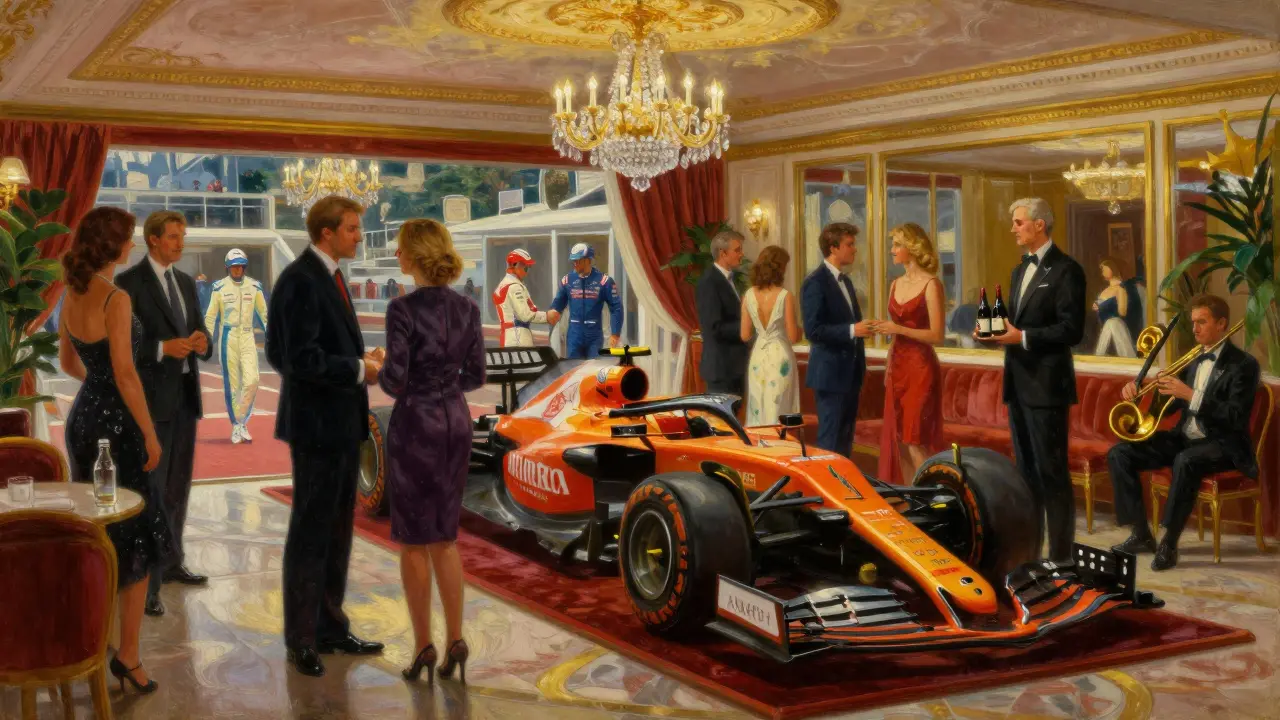
Inside the paddock, hospitality suites from brands like Rolex, Patek Philippe, and Aston Martin cost upwards of €250,000 for the weekend. These aren’t tents with free snacks. They’re climate-controlled lounges with private butlers, live orchestras, and access to drivers during pit stops. You don’t just watch the race-you shake hands with the driver who just won it.
The Cars, the Drivers, the Attitude
The Formula 1 cars themselves are engineering marvels-1,000 horsepower, zero to 100 km/h in under 2 seconds, downforce so strong they could drive upside down in a tunnel. But in Monaco, they’re not the stars. They’re the supporting act.
The real stars are the people who make the race possible. The team principals in bespoke suits. The fashion icons who arrive in custom-made racing jackets. The collectors who bring vintage Ferraris to the event just to park them outside the Hotel de Paris. The race might last 1.5 hours, but the social calendar runs for five days.
Drivers know this. They don’t just train for grip and braking points. They train for interviews, for photo ops, for the quiet moments between sessions when they’re expected to charm a room full of people who’ve paid more for a single glass of Dom Pérignon than most people earn in a month.
What You Won’t See on TV
TV broadcasts show the cars, the flags, the podium. They don’t show the private dinner at Le Louis XV where a single bottle of 1945 Romanée-Conti sells for €50,000. They don’t show the helicopter rides from Nice to Monaco at 6 a.m. so you can watch the sunrise over the harbor before the first practice session. They don’t show the security teams who spend six months planning how to keep a billionaire’s private jet from blocking the harbor entrance.
There’s a reason the Monaco Grand Prix is the only race where the organizers ban drones. It’s not about safety-it’s about privacy. You can’t film the yacht parties. You can’t zoom in on the private terrace where a royal family watches the race from behind tinted glass. That’s the point.
Why This Event Still Commands the World’s Attention
In a world where every major sport has gone corporate, where sponsorships dominate and ticket prices are set by algorithms, the Monaco Grand Prix still feels like an exclusive club. It hasn’t expanded. It hasn’t gone global. It hasn’t tried to be for everyone.
That’s why it survives. It’s not the fastest race. It’s not the most technical. But it’s the most human. It’s where money meets passion, where legacy meets performance, and where the only thing faster than a Formula 1 car is the speed at which connections are made.
There are no discount tickets. No family packages. No standing room. If you’re here, you’re here because you chose to be. And that’s what makes it priceless.
What to Expect If You’re Invited
Getting invited to the Monaco Grand Prix isn’t about buying a ticket. It’s about being known. You might get in through a luxury brand’s client program. Or through a private equity firm that sponsors a team. Or through a family connection. But if you’re asking how to get in, you’re not ready yet.
Once you’re inside, here’s what you’ll experience:
- Private transfers from your hotel to the circuit-no lines, no crowds, no waiting
- Access to the paddock during driver briefings-yes, you can stand next to Max Verstappen while he talks strategy
- A curated selection of rare wines and spirits, served by staff trained in the etiquette of high-net-worth guests
- Exclusive access to the Monaco Yacht Show, held the same week, where you can view yachts priced up to €500 million
- A custom gift box delivered to your suite: a miniature replica of the car, a signed photo from the winning driver, and a bottle of wine from the winning team’s vineyard
How the Luxury Experience Has Changed Since 2020
The pandemic didn’t kill the Monaco Grand Prix-it refined it. In 2021, attendance dropped by 40%. But the number of private yachts stayed the same. The number of VIP suites sold? Up 18%. The event didn’t shrink. It got tighter. More selective.
Today, the race is even more exclusive. Brands no longer just sponsor-they curate. One Swiss watchmaker now invites only 12 clients to the event each year. Each gets a personal meeting with the CEO, a private tour of the garage, and a timepiece engraved with their name and the exact lap time of their favorite driver.
The digital world didn’t replace the physical experience. It made it more valuable. If you can’t be there in person, you’re not part of it. And that’s exactly how the organizers want it.
| Feature | Monaco Grand Prix | Other F1 Races (e.g., Miami, Austin) |
|---|---|---|
| Location | City streets of Monte Carlo | Purpose-built circuits |
| Private Yacht Access | 120+ yachts anchored in harbor | Typically 5-10 |
| Cost of VIP Suite | €250,000-€1.2 million | €50,000-€150,000 |
| Guest Restrictions | By invitation only | Open to public ticket buyers |
| After-Race Events | Private parties on yachts, rooftop lounges, exclusive clubs | Public concerts, fan zones |
| Media Access | Restricted; no drone footage allowed | Open to social media, public livestreams |
Who Actually Goes to the Monaco Grand Prix
It’s not just the rich. It’s the connected. The people who’ve spent decades building relationships, not just bank accounts.
You’ll find:
- Heirs to European dynasties who’ve been coming since the 1970s
- Founders of tech startups who sold their companies for billions and now treat the race as their annual retreat
- Art collectors who bring a new painting to display in their suite each year
- Former drivers who return not as competitors, but as guests of honor
- Spies, diplomats, and intelligence officers who use the event to meet in plain sight
There’s no dress code. But there’s an unspoken rule: if you’re wearing a logo you paid for, you’re not dressed right. The real luxury is in the details-hand-stitched Italian shoes, a watch you inherited, a jacket that cost more than your car.
What Happens After the Checkered Flag
The race ends at 5 p.m. The real party starts at 8 p.m.
At the Yacht Club de Monaco, a private dinner is held for 80 guests. The menu? Lobster from the Mediterranean, truffle risotto, and a dessert made with gold leaf. The music? A live jazz quartet playing only songs from the 1960s-because that’s when the race became legendary.
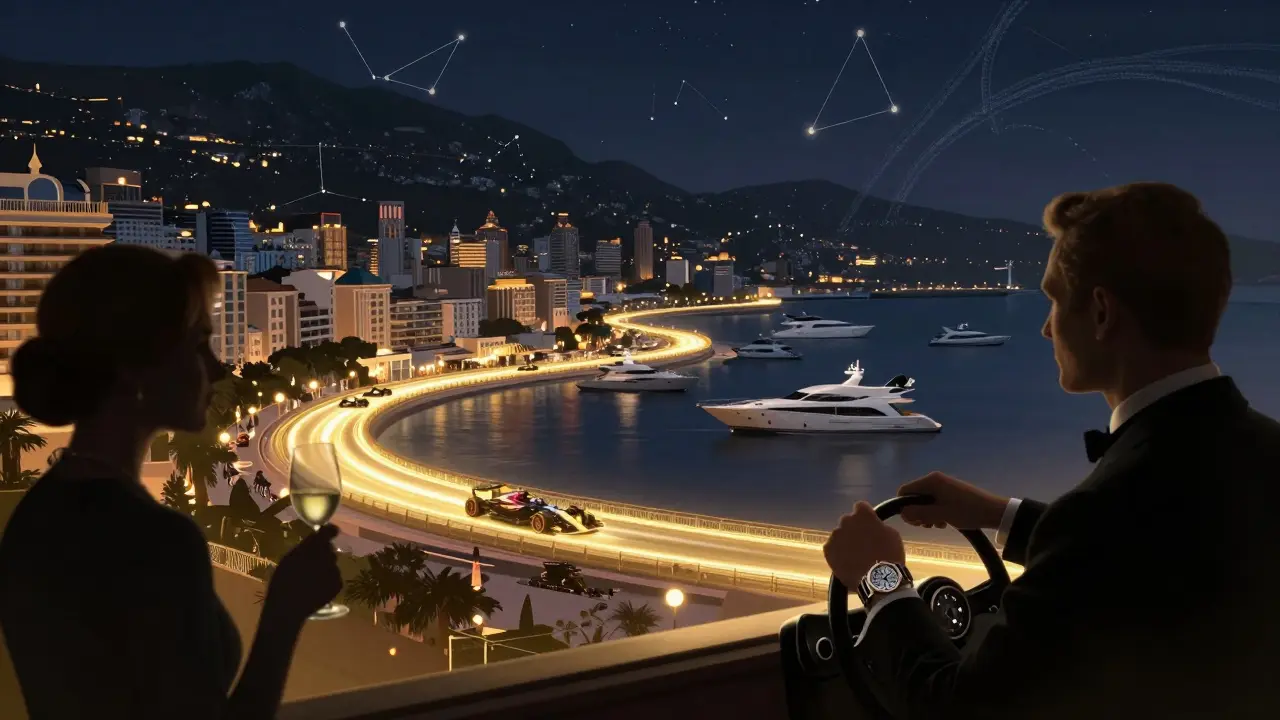
By midnight, the harbor is lit by the glow of a hundred boats. The sound of champagne corks popping blends with the hum of distant engines. Someone’s playing a record of Ennio Morricone. No one’s talking about the race. They’re talking about the next one.
Can anyone buy a ticket to the Monaco Grand Prix?
Yes, but not easily. General admission tickets for standing areas near the harbor cost around €150-€300, but they sell out within minutes. The real access-VIP suites, paddock passes, private hospitality-is by invitation only. Most people who attend don’t buy tickets. They’re invited.
How much does it cost to attend the Monaco Grand Prix as a VIP?
A basic VIP suite starts at €250,000 for the weekend. Premium packages with private butlers, driver meet-and-greets, and yacht access can exceed €1.2 million. Many attendees don’t pay out of pocket-their company or sponsor covers it as a client reward.
Is the Monaco Grand Prix worth the hype?
If you value exclusivity, history, and the kind of atmosphere you can’t replicate anywhere else-yes. It’s not about the racing. It’s about being part of a tradition that’s been running for nearly 100 years. No other race on earth blends motorsport, fashion, finance, and celebrity like this one.
Can you visit Monaco during the Grand Prix without a ticket?
You can visit the city, but you won’t get close to the track. Roads are closed. Hotels are fully booked. The harbor is restricted. Without a pass, you’ll be watching from a distance-on TV, from a café, or from a hillside in nearby Villefranche. The real experience is locked behind doors you can’t just walk through.
What’s the most expensive thing at the Monaco Grand Prix?
It’s not the tickets or the cars. It’s the relationships. A single dinner hosted by a private equity firm can cost €1.5 million-just for food, wine, and entertainment. The real value is in the connections made: deals signed, partnerships formed, legacies cemented. That’s what no price tag can measure.
Final Thought: It’s Not a Race. It’s a Ritual.
The Monaco Grand Prix doesn’t change. The cars get faster. The suits get sharper. But the rhythm stays the same. The morning coffee on the terrace. The afternoon walk along the harbor. The quiet pause before the lights go out. The roar of the engines. The silence after the checkered flag.
This is the only place on earth where time slows down just long enough for the world’s wealthiest to remember why they’re here-not to win, but to be part of something that’s been running longer than most of them have been alive.