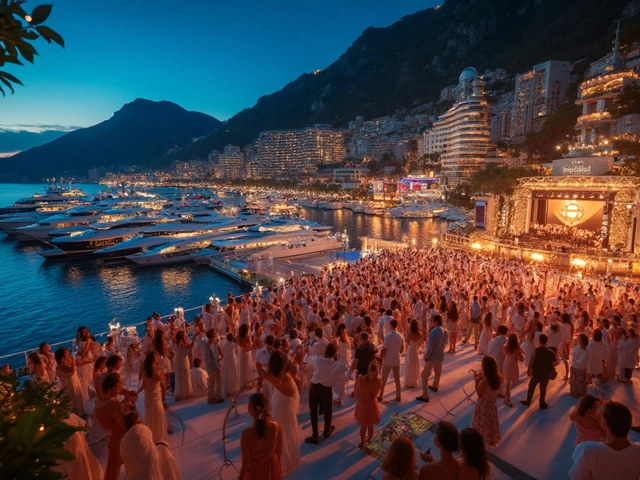
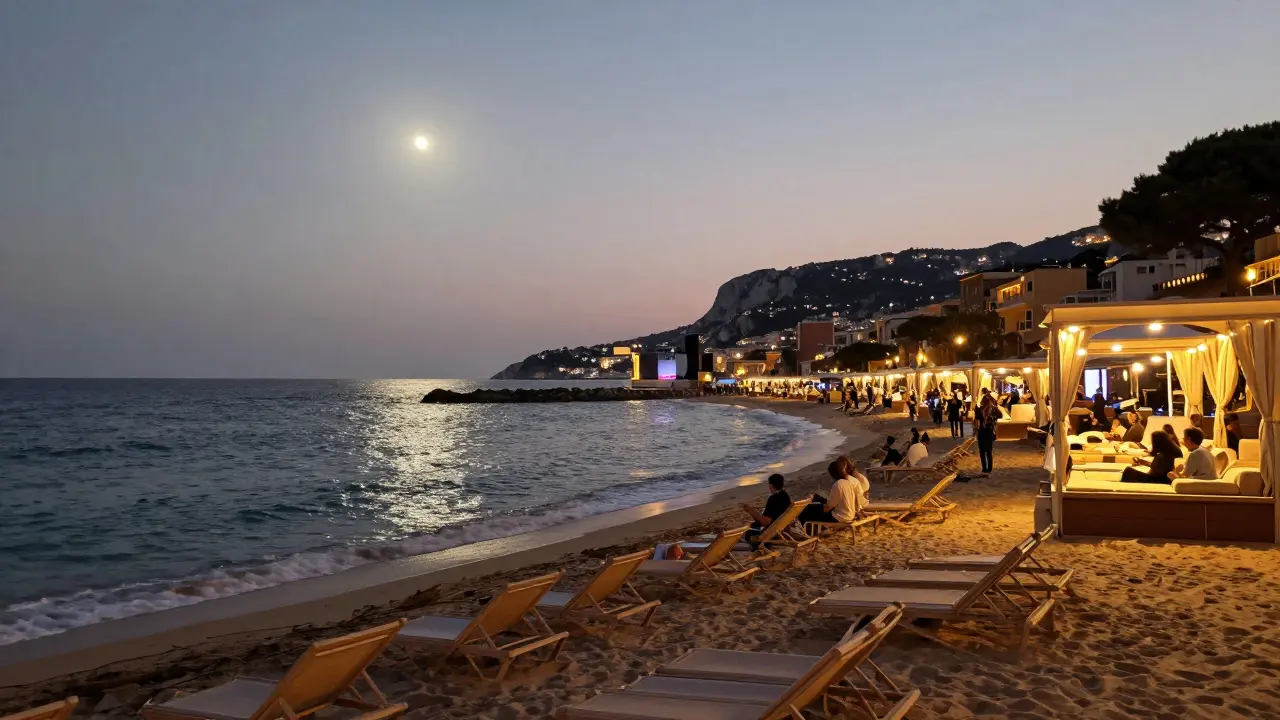
There’s a reason people whisper about Monte-Carlo beach nights like they’re secrets passed down through generations. It’s not just the water, though the Mediterranean here glows under moonlight like liquid silver. It’s not just the sand, fine as powdered sugar and never too hot underfoot. It’s the energy-the kind that starts when the sun dips below the horizon and the lights come on, one by one, along the shoreline.
When the Day Ends, the Night Begins
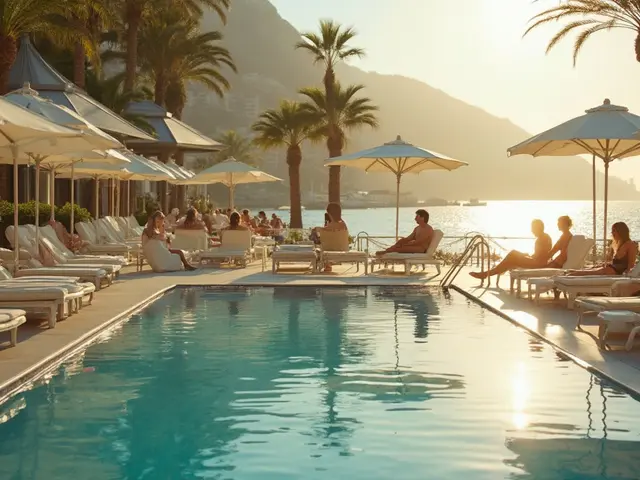
Most visitors think of Monte-Carlo as a place for yachts, casinos, and Formula 1 roaring past the harbor. But by 7 p.m., the real magic starts at the beach. The loungers empty out, the towel-draped sunbathers pack up, and the beach clubs-once quiet during the day-transform. The music shifts from chill acoustic sets to deep basslines. The scent of saltwater mingles with grilled seafood and citrus cocktails. This isn’t just a party. It’s a ritual.
At Plage Beau Rivage, the transition is seamless. By dusk, the white linen umbrellas are gone, replaced by low-slung LED-lit cabanas. DJs spin from elevated platforms, their beats bouncing off the cliffs behind the beach. You won’t find neon signs or flashing strobes here. The lighting is soft, golden, intentional. It’s designed to make skin glow, not to blind you. People don’t come here to be seen-they come to feel.
The Clubs That Don’t Look Like Clubs
Forget the typical nightclub. Monte-Carlo’s beach venues don’t advertise. You won’t find them on Google Maps with glowing red pins. You hear about them from a bartender in Saint-Jean-Cap-Ferrat, or from someone who showed up by accident and never left.
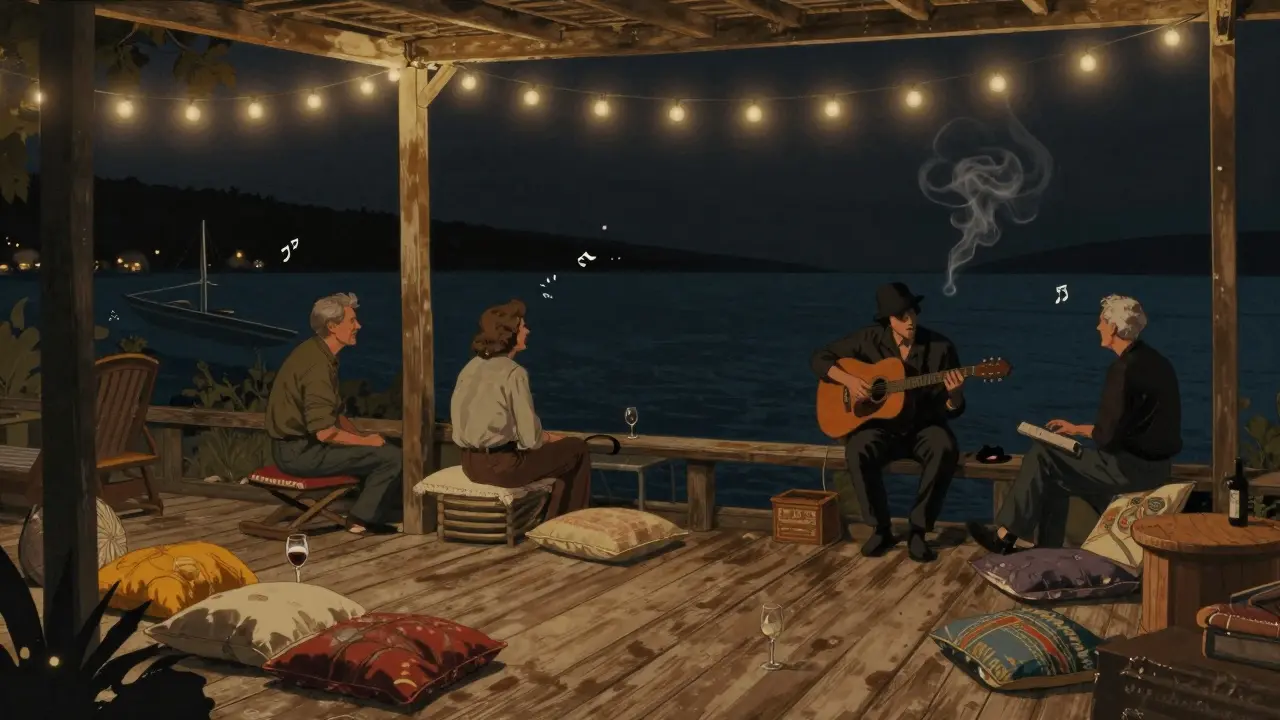
Le Club 55 has been around since the 1950s. It’s not fancy by today’s standards-wooden decks, mismatched cushions, a single speaker playing vintage French pop-but it’s where the real locals go. No velvet rope. No bouncer checking your watch. Just a guy handing you a glass of rosé and saying, “You’re in now.” The crowd? Artists, retired sailors, filmmakers, and a few billionaires who’ve learned that real luxury means being invisible.
Then there’s La Plage de l’Hermitage, tucked behind a private hotel. You need a reservation, but not because they’re exclusive-they’re small. Only 80 guests allowed per night. The menu? Fresh oysters flown in from Normandy, grilled octopus with lemon thyme, and champagne that costs more than your hotel room. But the real draw? The sound. No speakers. Just a single acoustic guitarist, playing by the water’s edge, with no mic. You hear every note. You feel every vibration in your chest.
What Makes a Night Unforgettable?
It’s not the price tag. It’s not the celebrity sightings (though they happen). It’s the quiet moments that stick.
Like the time a group of strangers ended up sharing a bottle of wine under a blanket, watching the stars reflect on the water. No one introduced themselves. No one asked where you were from. You just talked-about books, childhoods, regrets. By midnight, someone started singing a French folk song. Someone else joined in. Then another. Within minutes, the whole beach was humming along.
Or the night a local fisherman brought his catch to the shore, lit a small fire, and cooked sardines on a grill. He didn’t charge anyone. He just said, “Eat. It’s fresh.” You didn’t need to know his name. You just remembered the taste-smoky, salty, perfect.
These aren’t curated experiences. They’re accidents. They happen because Monte-Carlo’s beach nights don’t try too hard. They don’t need to. The setting does it for them.
How to Actually Experience It
If you’re planning a trip, here’s what works:
- Arrive after 7 p.m. No point showing up at noon. The magic doesn’t start until the sun’s gone.
- Wear something light but elegant-linen, cotton, no flip-flops. This isn’t a rave, it’s a slow dance.
- Bring cash. Many places don’t take cards. A €50 bill covers drinks, snacks, and maybe a small tip.
- Don’t book a table unless you’re going to La Plage de l’Hermitage. Most spots are first-come, first-served.
- Walk the shoreline after midnight. The beach is empty. The water is calm. You’ll hear nothing but waves and distant laughter.
And here’s the rule no one tells you: Don’t take photos. Not for Instagram. Not even for yourself. This isn’t a place you capture. It’s a place you carry.
When the Music Fades
By 2 a.m., the last guests drift away. The lights dim. The music stops. The staff sweep up empty glasses, fold the blankets, and lock the gates. The beach is silent again.
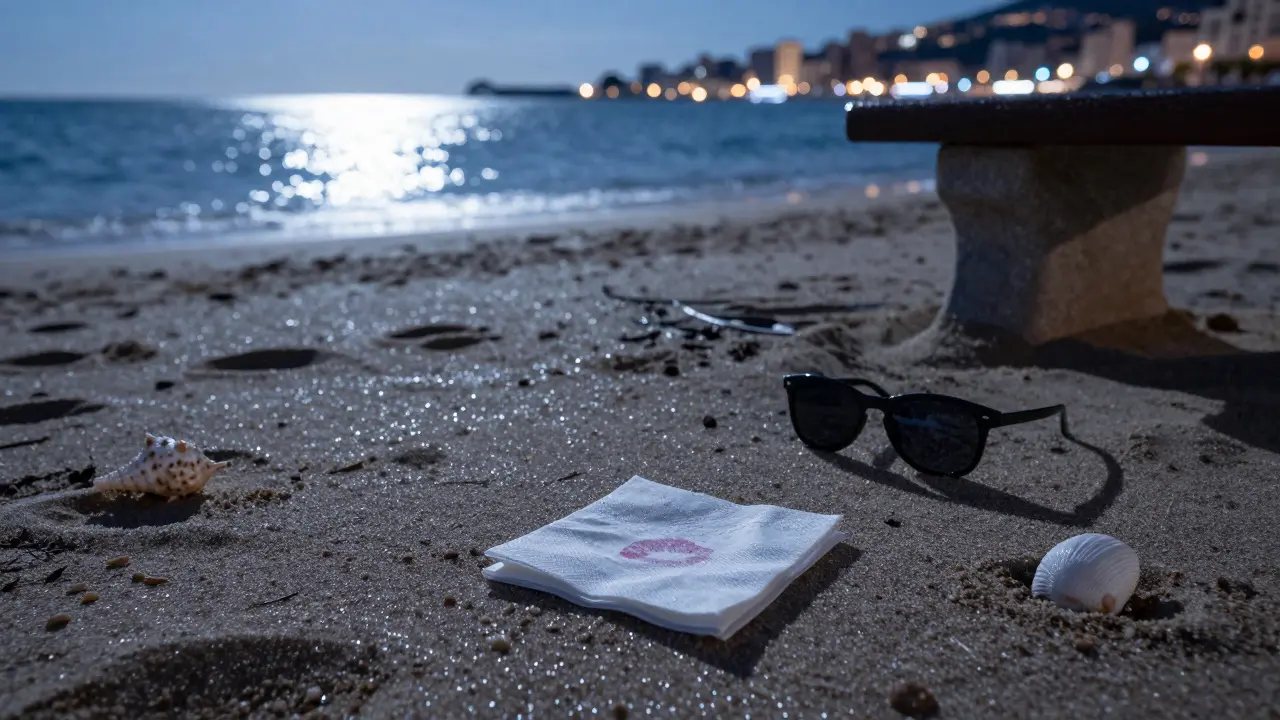
But the next morning, if you walk down at sunrise, you’ll find traces. A single seashell left behind. A folded napkin with a lipstick mark. A pair of sunglasses tucked under a bench. These aren’t lost items. They’re offerings. Left by people who came, felt something, and knew they’d never forget it.
Monte-Carlo beach nights aren’t about luxury. They’re about presence. About being still enough to hear the ocean breathe. About letting the night hold you, even if just for a few hours.
You won’t remember the name of the DJ. You won’t recall the brand of the champagne. But you’ll remember how the air felt-cool, salty, alive. And you’ll know, deep down, that you were somewhere rare.
Can you go to Monte-Carlo beach at night without a reservation?
Yes, most beach clubs in Monte-Carlo operate on a walk-in basis after 7 p.m., especially Plage Beau Rivage and Le Club 55. Only La Plage de l’Hermitage requires a reservation, and even then, it’s more about space than exclusivity. Arrive early if you want a good spot-crowds build after 9 p.m.
Is Monte-Carlo beach safe at night?
Extremely. Monte-Carlo has one of the lowest crime rates in Europe. The beach area is well-lit, patrolled by local security, and always busy with people. You’ll see families, couples, and solo travelers enjoying the night. Just keep your belongings close-like you would anywhere in a crowded place.
What’s the best time of year for Monte-Carlo beach nights?
Late May through September is peak season, with warm water and long evenings. But June and early September are ideal-fewer crowds, still warm, and the music scene is at its best. Avoid July, when the Grand Prix and other events draw huge crowds and prices spike.
Do you need to dress up for Monte-Carlo beach nights?
Not fancy, but not casual either. Think elegant beachwear: linen shirts, flowy dresses, tailored shorts, sandals. No tank tops, swimwear as outerwear, or flip-flops. The crowd dresses to feel comfortable, not to impress. You’ll blend in better if you look put-together, even if it’s simple.
Are there free beach areas at night?
Yes. Public stretches like Plage de la Croisette and parts of the Larvotto Beach remain open after hours. You can sit on the sand, listen to the waves, and watch the lights of the harbor. No drinks, no music, no crowds-just you and the sea. It’s the quietest, most authentic version of a Monte-Carlo beach night.
What Comes Next?
If you’ve felt even a whisper of what these nights offer, you’ll want to go back. Maybe next time, bring someone you trust. Or go alone. Either way, leave your phone in your bag. Let the night find you.
And when you do, don’t just watch the stars. Listen. The ocean doesn’t just crash-it hums. And if you’re quiet enough, you’ll hear it singing your name.