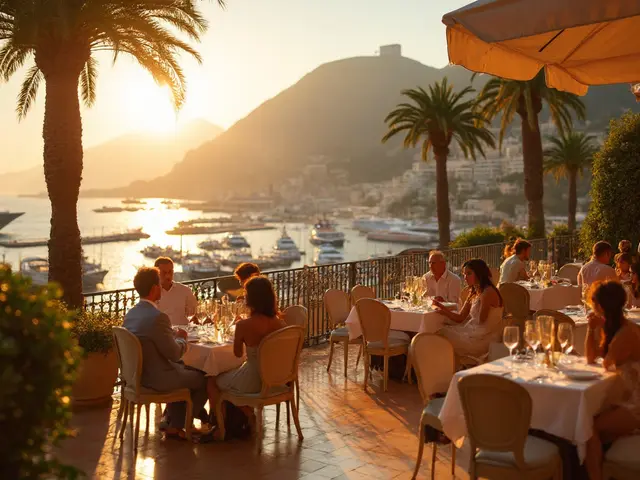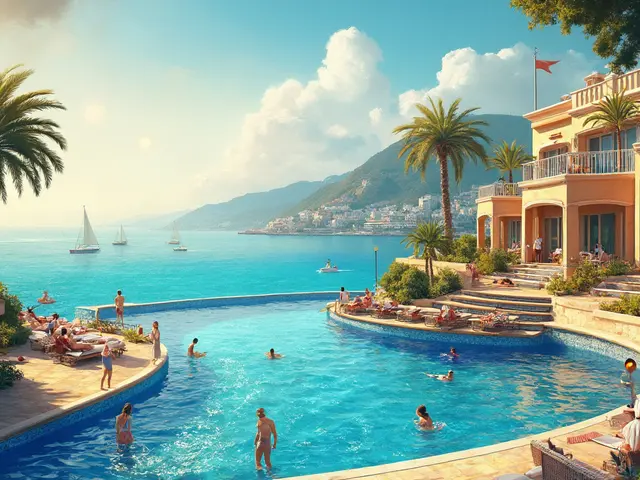
The Monte Carlo Summer Festival isn’t just another event on the calendar-it’s the heartbeat of Monaco from June through August. Streets buzz with live music, yachts glow under neon lights, and the scent of grilled seafood mingles with salt air. But if you show up expecting a quiet seaside stroll, you’ll miss the real magic. This isn’t a tourist trap. It’s a local ritual, packed with hidden details that make the difference between a good trip and an unforgettable one.
When to Show Up (And When to Stay Away)
The festival runs from late June to late August, but not all weeks are equal. The first week of July is when the crowds hit hard-tour buses line the harbor, restaurants book out 30 days in advance, and parking becomes a nightmare. Skip that week unless you’ve got a reservation at Le Louis XV or a friend with a villa in La Condamine.
Instead, aim for mid-July or early August. The weather is still perfect-mid-70s during the day, low 60s at night-and the energy is higher. That’s when the local artists, musicians, and chefs really let loose. The beach clubs start hosting surprise pop-ups, and the open-air cinema at Place du Casino screens classic films under the stars. You’ll get the vibe without the chaos.
Where to Eat (Without the Price Tag)
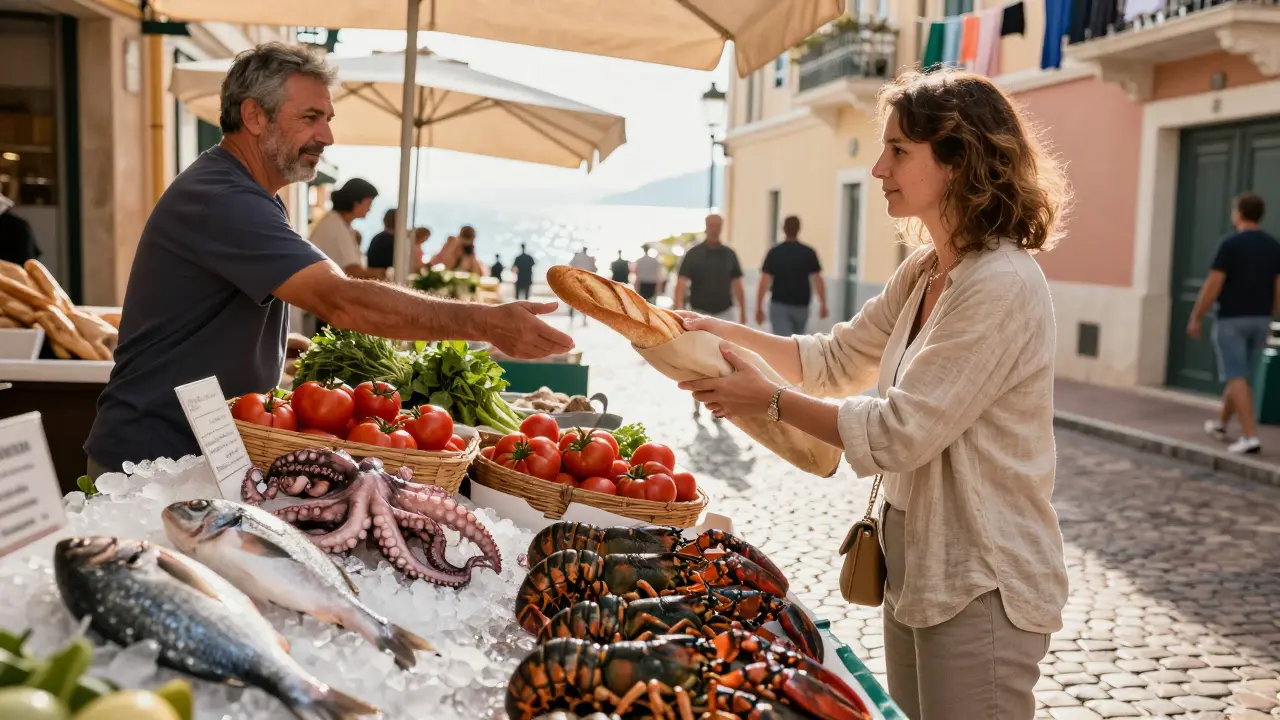
You don’t need to spend €300 on a tasting menu to eat well here. Head to Marché de l’Herbier, the weekly street market near the train station. Every Wednesday and Saturday morning, local fishermen sell just-caught sea bream and octopus for under €15 a kilo. Grab a baguette from Boulangerie Sainte-Victoire, a bottle of rosé from a stall that doesn’t have a sign, and find a bench overlooking the harbor. You’ll eat better than half the people at Michelin-starred spots.
For dinner, try Le Bistrot du Port. It’s not on any tourist list. Locals know it because the chef used to work at Joel Robuchon’s kitchen and left to cook simple, fresh food. The grilled sardines with lemon and thyme? They’re the reason people come back every year. Order the house wine-it’s poured from a barrel in the back.
How to Get Front Row at the Concerts
The festival’s headline concerts happen at the Salle des Étoiles, a glass pavilion right on the waterfront. Tickets sell out fast, and scalpers charge triple. But here’s the trick: the festival gives out 100 free standing tickets for every show. You just have to be there at 4 p.m. the day before, line up, and wait.
Most tourists don’t know this. They assume you need to book online weeks ahead. But if you show up with a bottle of water, a small towel, and patience, you’ll get in. The best seats aren’t the ones in the front row-they’re the ones near the back where the sound bounces off the water. That’s where the locals stand. Bring a friend. Share a snack. You’ll hear the music differently there.

Where to Watch the Fireworks (Without Paying)
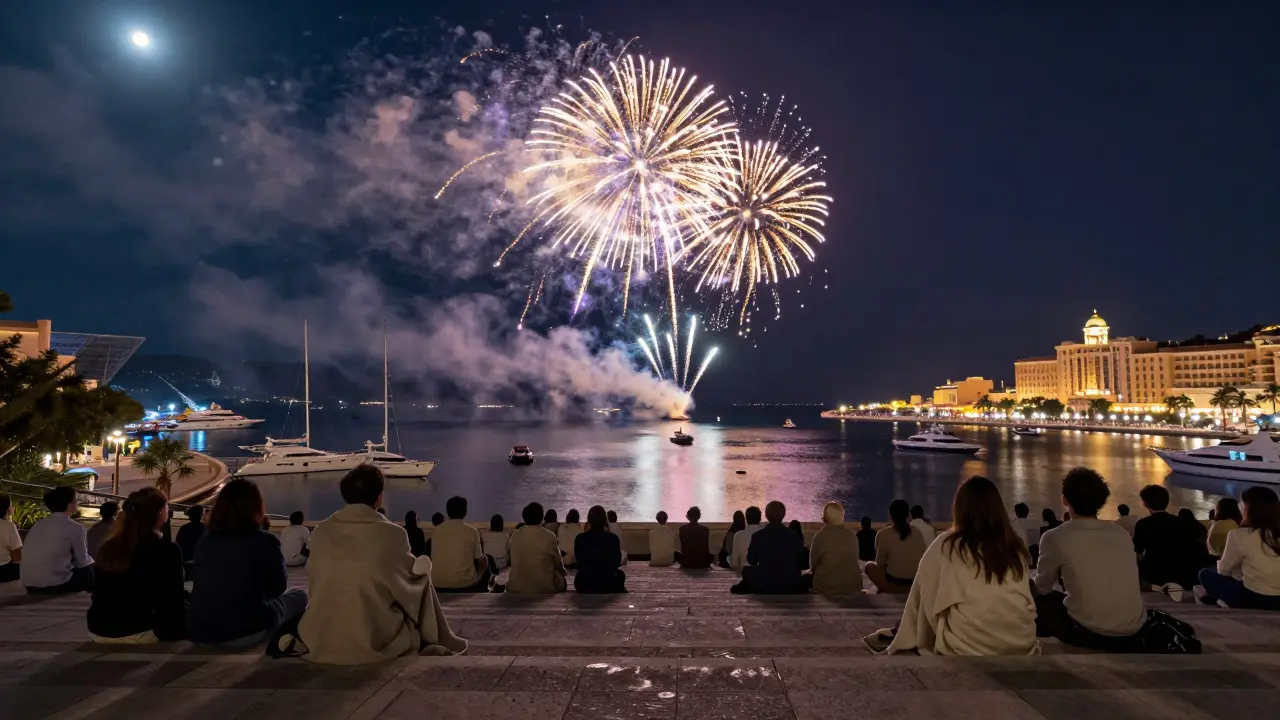
The big fireworks show happens on July 18, right after the Prince’s official reception. The official viewing areas cost €80. But the real view? It’s free. Walk up to the top of the Oceanographic Museum. Climb the stone stairs past the dolphin exhibit. No one checks tickets there. You’ll get a panoramic view of the entire harbor-the fireworks exploding over the yachts, the lights of the Fairmont reflecting in the water.
Bring a blanket. Arrive by 7:30 p.m. You’ll be surrounded by families, couples, and old men with cameras. No one talks. Everyone just watches. It’s the most peaceful moment of the whole festival.
What to Wear (Spoiler: No Tuxedos Needed)
You’ll see people in silk dresses and tailored suits at the opera and the yacht parties. But if you’re wandering the streets, eating at markets, or catching a free concert, you don’t need to dress up. Wear breathable linen, sandals with good grip (the cobblestones are slick after rain), and a light jacket for the cool nights.
And leave the designer sunglasses at home. The real locals wear cheap, polarized ones from the pharmacy. They’re just as good, and no one cares what brand you’re wearing. What matters is that you’re not sweating, you’re not lost, and you’re not trying too hard.
The Hidden Rituals Most Tourists Miss
Every night at 9:15 p.m., the street musicians near the Prince’s Palace start playing a single song: La Marseillaise, but slowed down, with a violin and a double bass. It’s not on any schedule. It’s not advertised. It’s just something the musicians do. If you’re walking past at that exact time, stop. Listen. It’s the sound of Monaco remembering who it is.
Another secret: the beach at Larvotto closes at 10 p.m. But if you walk past the lifeguard tower and turn left along the rocky path, you’ll find a quiet cove where locals swim after dark. No lights. Just moonlight on the water. Bring a towel. Don’t go alone. But if you do, you’ll understand why people come back every summer.
What Not to Do
Don’t take a taxi from the airport to your hotel. The ride costs €120. The train from Nice to Monaco takes 25 minutes and costs €5. You’ll see more of the coast, and you won’t be stuck in traffic with a driver who’s already made five trips that day.
Don’t buy souvenirs at the boutiques on Avenue de la Costa. The keychains and magnets are made in China. Go to the craft fair at Port Hercules on Sunday mornings. Local artists sell hand-painted ceramics, olive oil from the hills of Roquebrune, and tiny bottles of lavender honey. You’ll take home something real.
And don’t try to party like it’s Ibiza. Monaco doesn’t do all-night raves. The bars close at 2 a.m. The last ferry leaves at 2:30. The city respects its rhythm. If you’re still dancing at 3 a.m., you’re not part of the festival-you’re just loud.
Final Tip: Slow Down
The biggest mistake visitors make is trying to do everything. You can’t see every concert, eat at every restaurant, and swim at every beach in three days. Pick three things. Do them slowly. Sit on a bench. Watch the light change on the water. Let the music drift from a window down the street. Let someone offer you a glass of wine without asking why you’re there.
The Monte Carlo Summer Festival isn’t about checking boxes. It’s about feeling something. And that only happens when you stop trying to capture it-and just let it happen.
When is the best time to visit the Monte Carlo Summer Festival?
Mid-July to early August is ideal. The weather is perfect, crowds are thinner than during the first week of July, and local artists and chefs are fully in swing. You’ll get the full experience without the rush and inflated prices.
Are the concerts at the Monte Carlo Summer Festival free?
Many are. The headline shows at Salle des Étoiles sell tickets, but 100 free standing spots are given out each day at 4 p.m. the day before. Just show up early, wait in line, and you’ll get in. There are also dozens of free outdoor performances on the promenade and in the gardens.
Can I see the fireworks without paying for a ticket?
Yes. Walk up to the top of the Oceanographic Museum before 7:30 p.m. on July 18. No ticket is needed. You’ll get a clear, unobstructed view of the entire harbor, with the fireworks reflecting off the water. It’s the most popular local spot-and it’s completely free.
What should I wear to the Monte Carlo Summer Festival?
Light, breathable clothes-linen, cotton, sandals. A light jacket for evenings. You don’t need formal wear unless you’re going to a private yacht party. Most locals dress casually. What matters is comfort and ease of movement on cobblestones and stairs.
Is it worth buying souvenirs in Monaco?
Only if you buy from local artisans. Avoid the souvenir shops on Avenue de la Costa-they sell mass-produced trinkets. Go to the Port Hercules craft fair on Sunday mornings instead. You’ll find hand-painted ceramics, local honey, and olive oil made in the hills. These are real pieces of Monaco.
How do I get from Nice to Monaco for the festival?
Take the train. It’s 25 minutes, costs €5, and runs every 15 minutes. The scenic route hugs the coast. Taxis cost €120 and get stuck in traffic. The train is faster, cheaper, and gives you a better view of the Mediterranean.