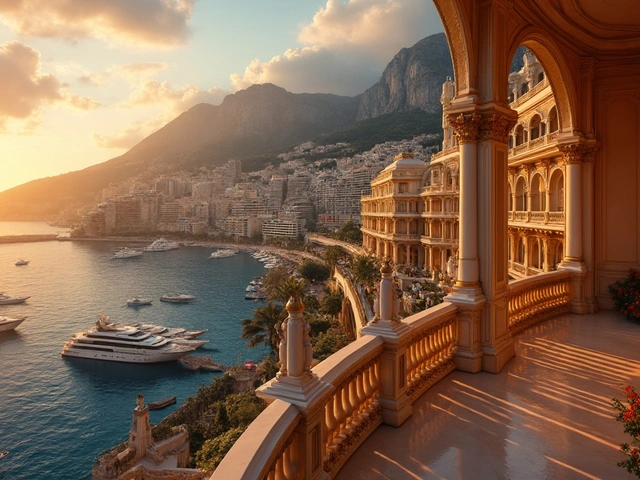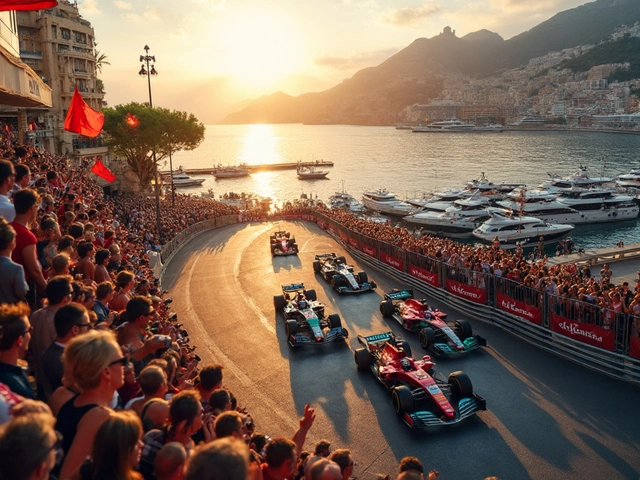
When the sun sets over the Mediterranean and the lights of Monte Carlo flicker to life, the Monaco Grand Prix doesn’t just end-it transforms. The track may be silent, but the streets aren’t. The roar of engines fades, replaced by the clink of champagne flutes, the hum of vintage Ferraris idling outside private clubs, and the laughter of drivers who still can’t believe they raced here. This isn’t just a race weekend. It’s a 72-hour spectacle where speed, luxury, and adrenaline fuse into something unforgettable.
The Track Doesn’t Sleep
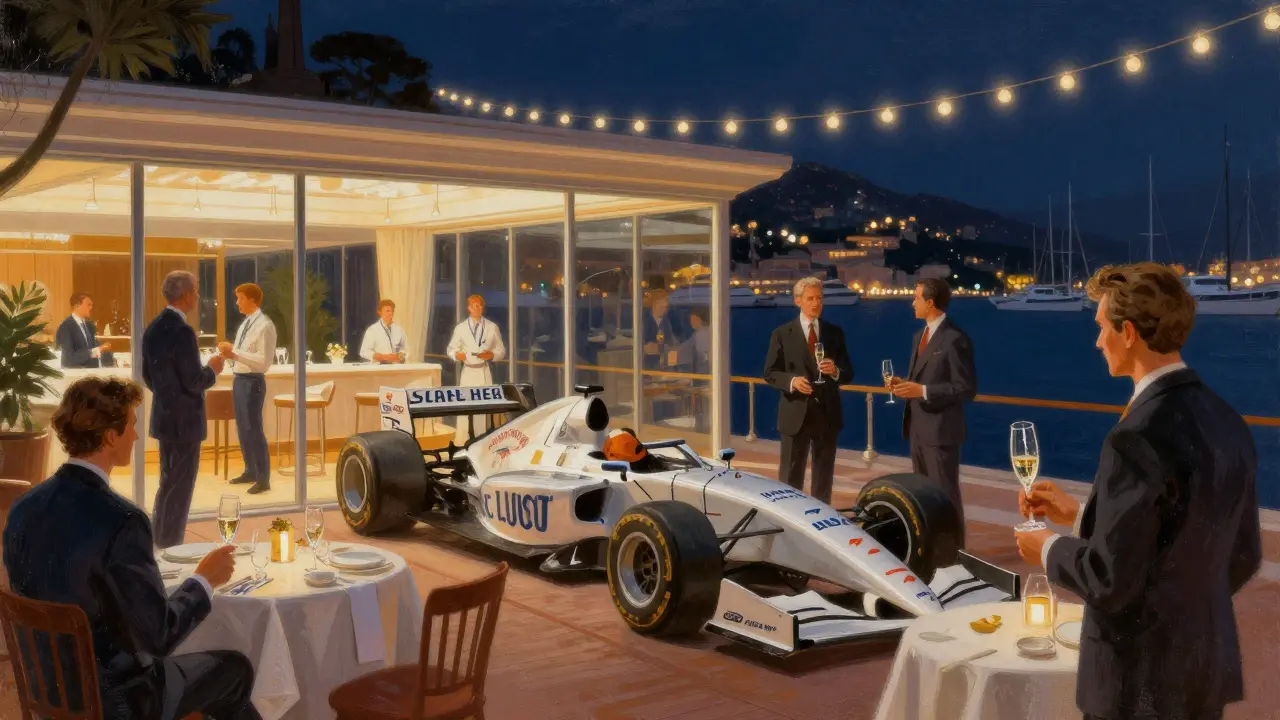
The Circuit de Monaco is the most demanding in Formula 1. A 3.34-kilometer maze of tight corners, elevation changes, and barriers so close you could touch them. But once the checkered flag drops, the real magic begins. The paddock doesn’t close. It opens up. Teams unload their private yachts anchored just off Port Hercules. Drivers, engineers, and sponsors spill onto the docks, where the air smells like salt, diesel, and expensive cologne.At 10 p.m., the first guests arrive at the Yacht Club de Monaco. No invitation? Doesn’t matter. If you’re wearing a tailored suit and have a ticket stub from qualifying, you’re in. Inside, the walls are lined with signed helmets and framed photos from decades of races. A 1985 Prost F1 car sits under glass, its tires still dusty from practice. Outside, a group of mechanics from Red Bull are trading stories with a former Ferrari team principal over glasses of Dom Pérignon. No one talks about lap times anymore. They talk about the corner where they almost died. The one where they didn’t.
The After-Race Rituals
There’s no official schedule for what happens after the race. But there are traditions. Everyone knows them.- At midnight, the top three drivers head to the Hotel de Paris’s rooftop bar. No cameras allowed. Just the city lights below and the sound of waves crashing against the cliffs.
- By 1 a.m., the crowd shifts to Le Palace, a club hidden behind a bookshelf in a 19th-century mansion. The DJ plays nothing but 80s synth and classic rock. The bouncer checks your wristband-not your ID. If you’re not wearing the official GP wristband, you don’t get in.
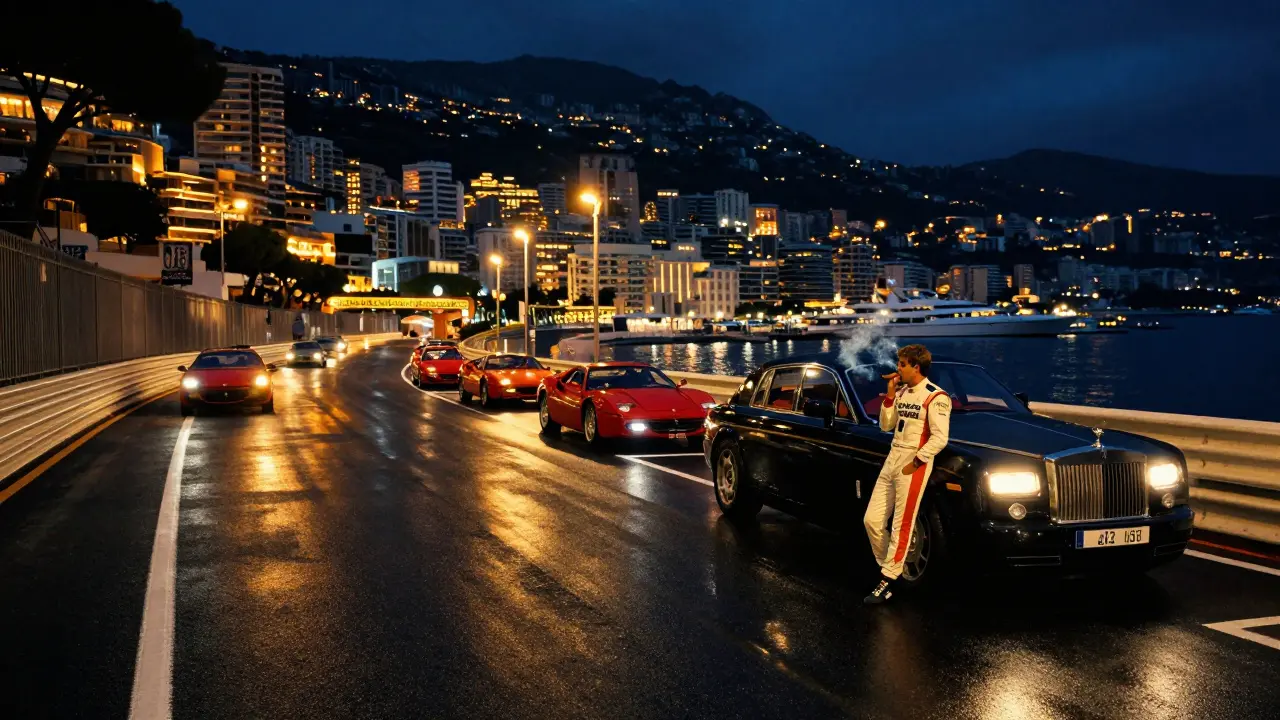
- At 3 a.m., a black Rolls-Royce Phantom pulls up outside the Monte Carlo Casino. Out steps a driver, still in his racing suit, holding a bottle of Perrier-Jouët. He doesn’t go inside. He just leans against the car, stares at the sea, and smokes a cigar. No one bothers him. Everyone knows why.
These aren’t parties. They’re rituals. Each one carries meaning. The win, the loss, the near-miss. The silence after the final turn. The way a driver’s hands still shake hours later.
Who’s Really There?
You’ll see the usual suspects: billionaires in tailored suits, celebrities who flew in on private jets, and social media influencers posing with F1 cars like props. But the real heartbeat of Monaco Nights isn’t the famous faces. It’s the ones you don’t see on Instagram.The 68-year-old mechanic from Bologna who’s been working on Ferraris since 1978. He’s sitting alone at a corner table at La Merenda, eating pasta and watching the race replay on a small TV. He doesn’t say much. But when someone asks him about Senna’s 1989 win, he nods and says, “He didn’t just drive. He danced.”
The young engineer from Singapore who just landed her first F1 job. She’s in the back of a rented Lamborghini, texting her mom: “I just shook hands with Lewis Hamilton. He asked me about the brake ducts.”
The retired police officer who used to direct traffic during the race. Now he runs a tiny bar called Le Petit Coin near the tunnel. He serves espresso and stories. No alcohol. “I’ve seen too many drivers come in here drunk,” he says. “I don’t want to be the reason one of them doesn’t make it home.”
The Cars That Stay Behind
After the race, most F1 cars are packed into cargo planes and flown to the next circuit. But not all of them.Some stay. For a night. For a week. For good.
There’s a garage near the harbor where three retired F1 cars sit under covers. A 1998 Williams, a 2002 McLaren, and a 2010 Red Bull. They’re not for sale. They’re not on display. They’re just there. Waiting. Sometimes, a former driver comes by alone. He doesn’t open the hood. He just runs his hand along the side of the car, like he’s checking for warmth. Then he leaves.
One night last year, a fan snuck in and sat in the driver’s seat of the 2002 McLaren. He didn’t start the engine. He just closed his eyes and imagined the sound. A security guard found him there at 4 a.m. Instead of kicking him out, he handed him a coffee and said, “That’s the one Senna won his last race in. He cried after. Said it felt like he’d lost a friend.”
The Quiet Moments
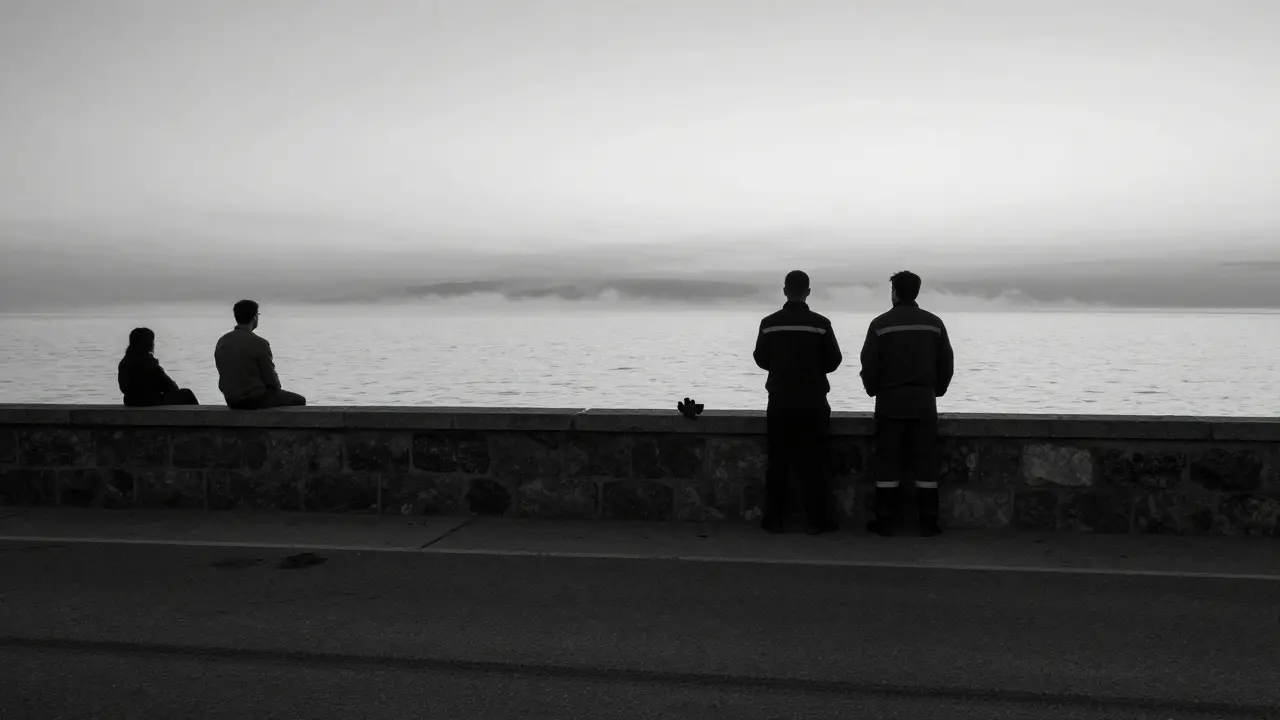
The most powerful part of Monaco Nights isn’t the noise. It’s the silence.At 5 a.m., the streets are empty. The last partygoers have stumbled home. The yachts have dimmed their lights. The only movement is the occasional patrol car rolling past the tunnel.
That’s when you’ll find them-drivers, crew members, even a few journalists-sitting on the seawall near the Tabac corner. No one speaks. They just watch the water. The city sleeps. The track waits. And for a few minutes, the world feels still.
One year, a young journalist asked a seven-time champion why he came back every time. The driver didn’t answer right away. He looked out at the harbor, then said, “Because here, speed doesn’t just move you forward. It makes you feel alive. Even when you’re done.”
What Happens When the Lights Go Out?
The Monaco Grand Prix doesn’t end when the checkered flag waves. It lives on-in the quiet corners of the city, in the stories told over coffee, in the way a mechanic still touches his old helmet before every race. It’s not just about who won. It’s about who showed up. Who stayed. Who remembered.That’s why, every year, people return. Not just for the race. But for the nights after. For the cars that never left. For the silence that follows the roar.
Because in Monaco, the fastest thing on the track isn’t the car.
It’s the heart.